
Premium Papaya,
Grown for Reliable Supply
EVA Enterprises grows high-quality papaya for retailers, wholesalers, food-service businesses, and processors and raises seedlings for farmers who want to grow papaya themselves.
Live Harvest
1 / 3 · Farm to Table
15K+
Fruits / Year
2
Premium Varieties
48hrs
Farm to Table
The Precision
of Growth
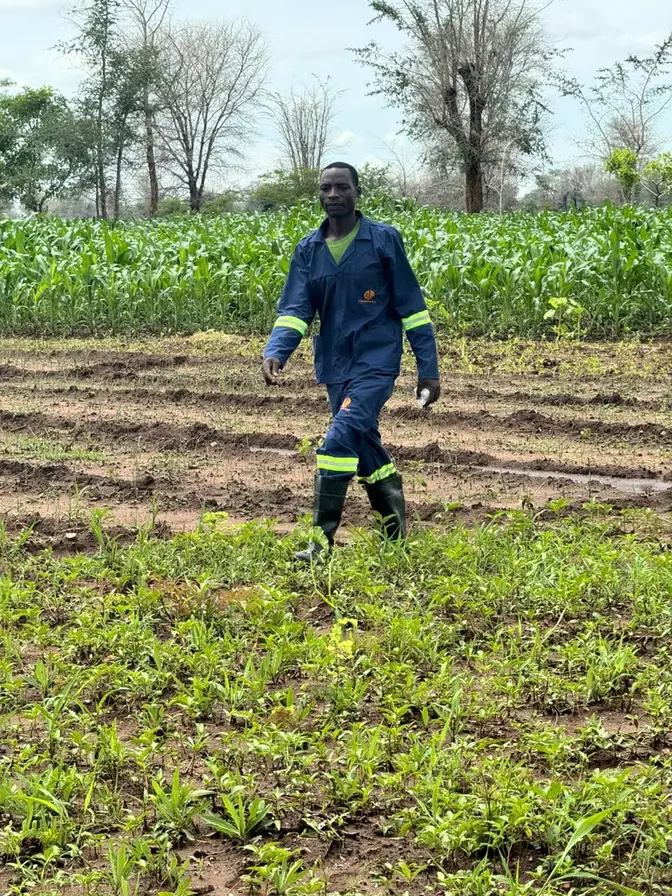
Founded in the heart of Salima, EVA Enterprises is redefining the Malawian agricultural landscape. We merge traditional farming wisdom with modern logistics and industrial-grade cultivation techniques.
The Papaya
Standard
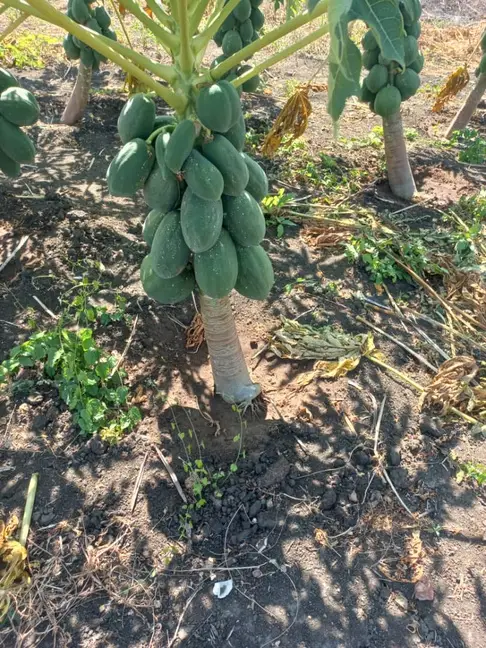
Papaya
Premium sweet varieties, cultivated for long-shelf-life logistics and optimised for Malawi's retail corridors. Every tree is managed on a precision cycle, from soil to shelf.
Naturally fat-free and low in sodium, papaya is 90% water for lasting hydration, rich in fibre to support gut health, and one of the best natural sources of vitamin C — a single serve delivers more than double the daily requirement.
Our Mission
"To strengthen Malawi's agricultural value chain by delivering fresh, nutritious, and locally sourced produce to retailers and consumers."
Our Vision
To become Malawi's leading supplier of premium, locally grown fruits reducing national dependence on imports while promoting sustainability and rural economic empowerment. We envision a future where every fruit harvested is a testament to precision and passion.
The Team
Driven by excellence, anchored in integrity.
"Our success is measured not just in yields, but in the livelihoods we uplift and the standard of excellence we establish for Malawian agriculture."

EVA Enterprises currently employs 7 staff members, including 3 women, in line with our commitment to inclusive growth and gender equity in agriculture. As we scale, we plan to create more opportunities for youth and women in rural areas.
The Roadmap
Phase 1
Strengthen Production
Increase productive capacity, improve irrigation, standardise harvesting practices and build a reliable base of recurring buyers.
Phase 2
Post-Harvest and Distribution
Introduce consistent grading, packaging, handling, storage and scheduled delivery systems to improve quality and reliability.
Phase 3
Value-Added Processing
Commercially validate and gradually introduce selected products and other viable derivatives.
Phase 4
Grower Network
Develop relationships with independent growers, supported by agreed production standards, quality controls and structured market access.
Phase 5
Regional Markets
Pursue appropriate certifications, strengthen supply consistency and develop relationships with suitable regional buyers.